
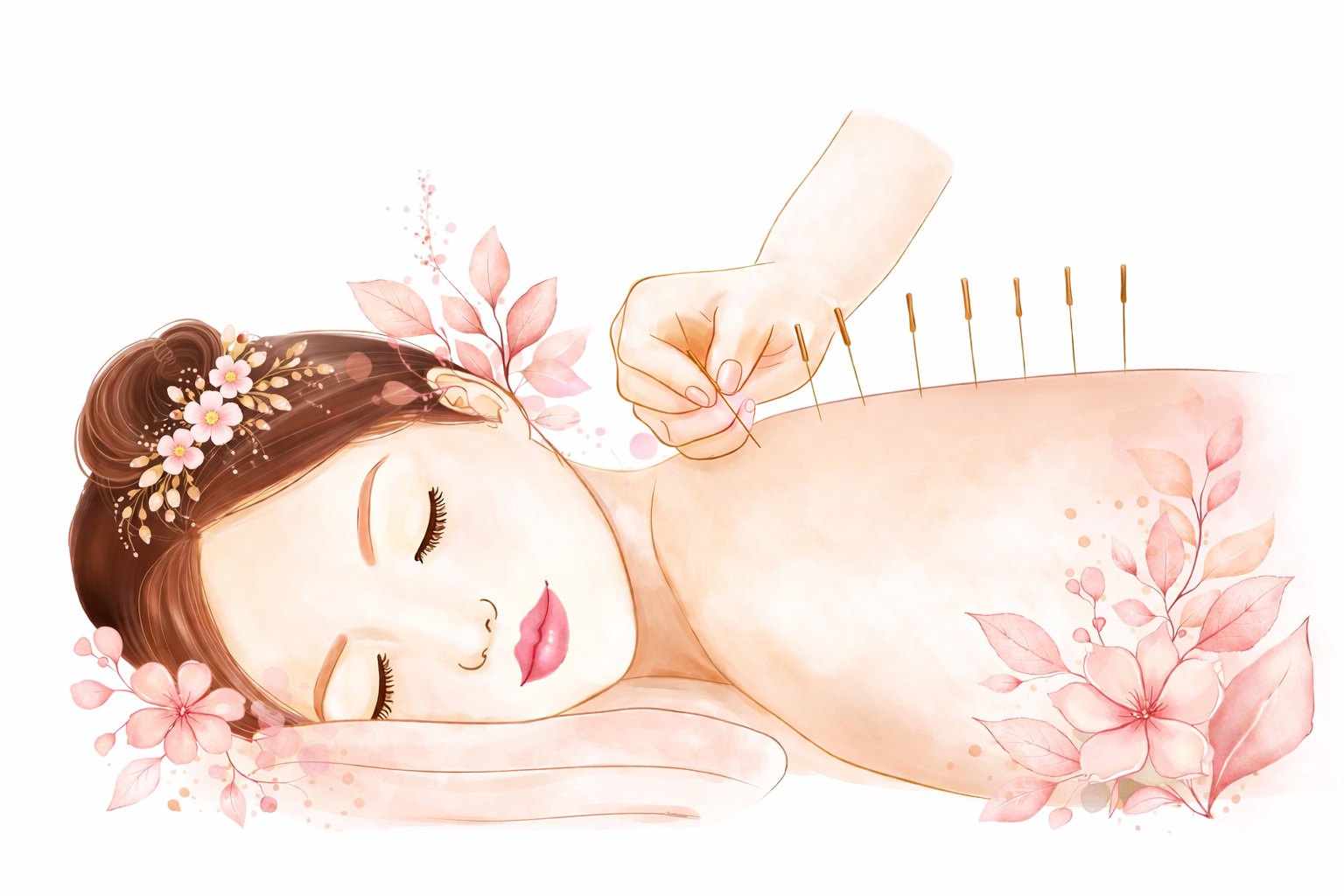
Acupuncture for Pain & Stress Relief
Restoring ease, mobility, and nervous system balance through gentle, individualized care.

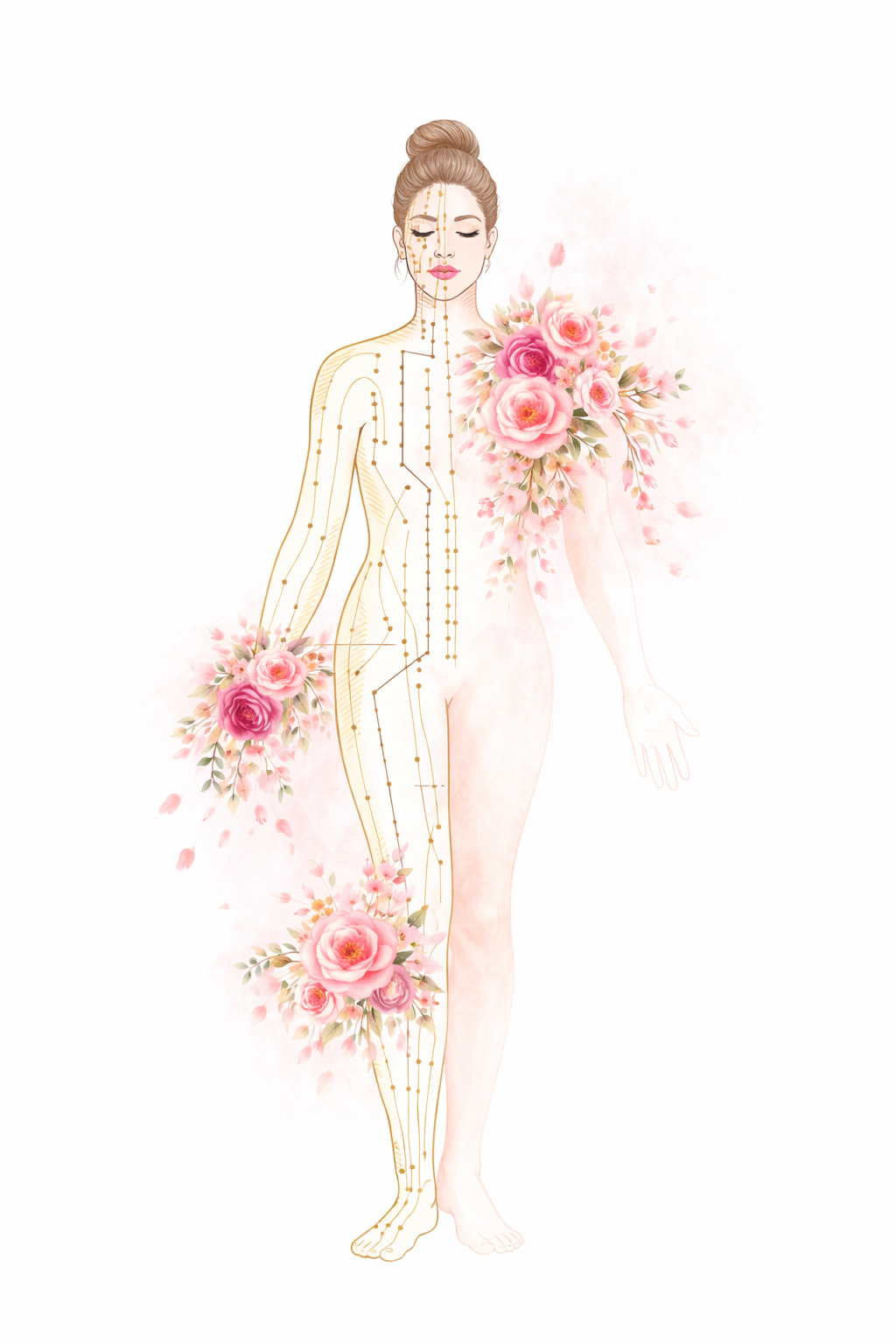
Beyond symptom reliefAcupuncture supports circulation, reduces inflammation, and regulates the nervous system so the body can shift out of tension patterns and return to a steadier rhythm. Rather than masking symptoms, treatment works with your physiology to support long term change.
common conditions treated
• Headaches and migraines
• Neck and shoulder tension
• Upper and lower back pain
• Sciatica
• Jaw tension and TMJ patterns
• Stress related muscle tightness
• Digestive upset tied to stress
• Sleep disturbances related to pain
how treatment works
Pain is processed through the nervous system. When stress hormones remain elevated, muscles tighten, circulation decreases, and inflammation lingers.
Acupuncture stimulates specific points that influence the brain and spinal cord, supporting the release of endorphins and serotonin, regulating cortisol levels, and improving blood flow to affected tissues. As the nervous system shifts from fight or flight into a more regulated state, muscles soften and healing processes become more efficient.
Electro stimulation, cupping and gua sha may be incorporated when appropriate to further encourage circulation and neuromuscular reset.

the nervous system & stress
Chronic stress keeps the body in a subtle state of vigilance. Over time this can manifest as tight shoulders, jaw tension, headaches, digestive disruption, sleep difficulty, or anxiety.
Acupuncture helps the nervous system shift out of this heightened stress response and return to a more regulated state. As the body relaxes, circulation improves, muscles release, and the mind becomes calmer.
From a physiological perspective, acupuncture stimulates the release of endorphins, the body’s natural feel good chemicals. This process also supports healthy serotonin levels while helping regulate cortisol, one of the primary hormones involved in the stress response.
As the nervous system settles and internal balance returns, the body becomes better able to rest, recover, and function with greater resilience.
FAQs
-
Not usually. Acupuncture needles are extremely thin and are inserted with a gentle technique. Most patients feel a slight sensation when the needle is placed and then nothing at all. Many are surprised by how relaxing treatment feels, and some even fall asleep. Theresa is known for her gentle approach and strives to make every treatment comfortable and calming.
-
Every person is different. The number of treatments depends on how long you've been experiencing symptoms, the severity of the condition, and how your body responds to treatment. Acupuncture has a cumulative effect, meaning each session builds on the last. Many patients notice improvement within the first few visits, and by the third treatment we typically have a clearer picture of the treatment plan moving forward. Acute conditions often resolve more quickly, while chronic pain may require a longer course of care and occasional maintenance treatments to help prevent flare-ups.
-
Most people feel very relaxed during treatment. Some experience a mild sensation when the needle is inserted, followed by feelings of warmth, heaviness, tingling, or deep relaxation. Many patients even fall asleep during their session.
-
Some patients notice improvement after their first treatment, while others experience gradual changes over several sessions. The timeline depends on the condition, how long it has been present, and individual factors such as stress, sleep, and overall health.
-
I do not bill insurance directly. However, many patients choose to use their acupuncture benefits through their insurance plan. Upon request, I can provide a detailed superbill that you may submit to your insurance company for reimbursement. I also accept Health Savings Account (HSA) and Flexible Spending Account (FSA) cards for payment. Because every insurance plan is different, I recommend contacting your insurance provider to learn more about your specific coverage and reimbursement options.
-
Pain rarely exists in isolation. Sleep, stress, digestion, energy, and emotional well-being all influence how we feel. Treatment considers the whole person, not just the area that hurts, often leading to more lasting results.